
Why growth often feels harder before it feels better
Insights from behind the scenes
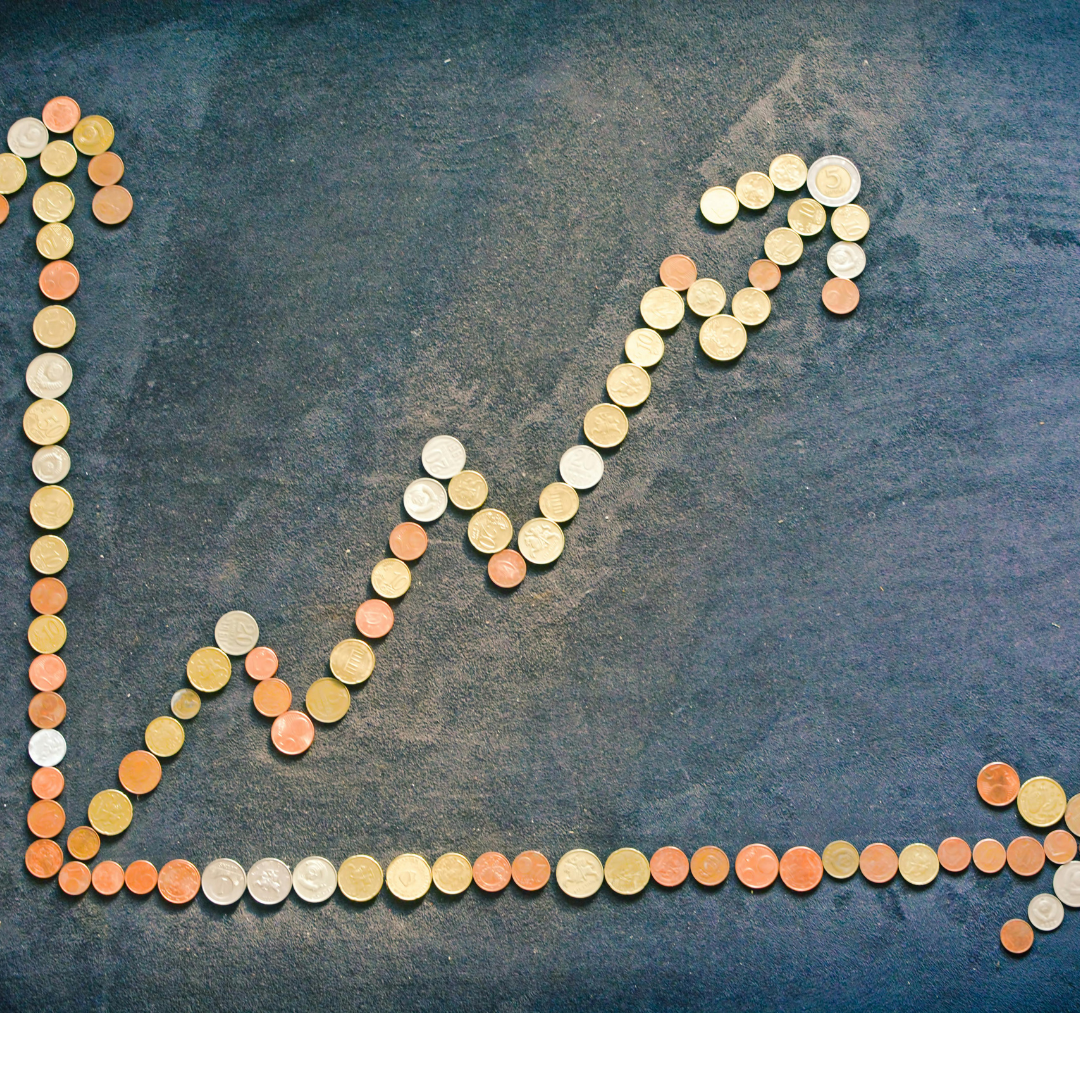
Growth is usually framed as a positive thing.
More customers. More revenue. More opportunity.
And it is. But inside a growing business, growth often feels harder before it feels better not because something has gone wrong, but because complexity increases faster than structure does.
The difference between volume and complexity
In the early stages of a business, things run on proximity and familiarity. Decisions happen quickly because the right people are across everything. Communication is informal but effective. Follow-up lives in people's heads, and context is shared simply because everyone is close to the detail.
This works well - until it doesn't.
As a business grows, the nature of the work changes. Tasks don't just multiply. They require more coordination, more handovers, more clarity about who owns what and what happens next. The work itself may not have changed significantly. The level of complexity around it has.
That's an important distinction. Businesses that are struggling with volume need more capacity. Businesses that are struggling with complexity need something different, clearer structure, better follow-through, and support that can hold the whole picture.
Misreading one for the other is where things start to feel stuck.
When informal systems start to strain
There's usually a point where the systems that worked well at a smaller scale begin to quietly break down.
Not dramatically. Subtly.
Small delays start appearing. Conversations repeat. Follow-ups slip between people. Decisions take longer because context is no longer automatically shared. Nothing appears fundamentally broken but the way work is being held no longer matches the scale of the business.
This is the threshold many growing businesses cross without quite realising it. Informal ways of working which were perfectly suited to an earlier stage begin to strain under the weight of a more complex operation.
Why this stage is often misread
When coordination becomes harder and things start slipping, the instinct is often to look for a cause.
Owners may question whether the team is coping. Leaders may assume performance has dropped. People within the team may feel less efficient than they used to be, without being able to point to why.
In reality, the expectations of the business have changed but the structure supporting it hasn't caught up yet.
This matters, because when capable people are working inside a structure that no longer fits the scale of the business, the strain can start to feel personal. High performers may interpret coordination friction as underperformance. The business loses confidence in people who are, in fact, doing exactly what they're capable of, just within a system that's no longer working well.
It's worth naming that risk, even if it rarely surfaces loudly. When good people feel unsupported by structure, the cost is rarely immediate but it's real.
The businesses that move through this most smoothly
This middle stage no longer small enough to run informally, but not yet large enough to support fully defined operational roles across every function is common. And it's navigable.
The businesses that move through it most smoothly are not the ones with the most ideas or the most tools. They're the ones that recognise the structural shift early and introduce the right kind of support before strain becomes reactive firefighting.
That support doesn't need to be permanent or full-time. But it does need to be experienced enough to hold priorities, reduce coordination friction, and keep the work moving without adding to the load of the people already stretched across it.
Growth doesn't usually make a business harder to run. Unmanaged complexity does.
Understanding that distinction changes how this stage feels and how it gets handled.
Much of this work sits within the senior-level operational and business support provided through Hartel Business Ops, supporting busy and growing businesses to improve follow-through and reduce day to day pressure.
If this stage feels familiar in your business, drop me a line ->
